Timelines

Migration ist eine globale Realität und seit jeher Teil der Menschheitsgeschichte. Dennoch gehört sie bis heute zu den am stärksten umkämpften öffentlichen Themen. 

Sowohl Menschen als auch Grenzen sind ständig in Bewegung. Wer sich bewegen darf und wem Rechte zugesprochen werden, zeigt, wer als Teil der Nation angesehen wird. In Deutschland wie in den Vereinigten Staaten sind diese Debatten — und die damit verbundenen politischen und gesellschaftlichen Praktiken — eng mit sich wandelnden Vorstellungen von „Rasse“, Kultur und Sprache verbunden. 

Diese Zeitleisten zeigen, wie Rechte und Zugehörigkeit durch Gesetze, migrantische Bewegungen und Kämpfe, globale Ereignisse und kulturelle Werke ausgehandelt, infrage gestellt und neu definiert wurden — und wie diese Geschichten bis heute nachwirken. 

Entstanden sind die Zeitleisten in einem community-basierten Prozess gemeinsam mit Partner*innen aus migrantischen Selbstorganisationen, Bildungsinstitutionen und Wissenschaft sowie mit Unterstützung vieler weiterer Beteiligter und Ehrenamtlicher.


Close
1982
Murder of Vincent Chin Spurs Movement

In June of 1982, the violent murder of Vincent Chin became a symbol for the Asian American community and the Pan-Asian American movement. A son of Chinese immigrants, Vincent Chin was killed by Ronald Eben and Michael Nitz, two autoworkers, in Detroit, Michigan. An argument fueled with racial slurs erupted between the three men while Chin was out celebrating his bachelor party. Eben and Nitz blamed the Japanese auto industry for the economic crash of Detroit. Later that evening, the two men went out in search of Chin and violently killed him.
Despite the severity of the case and the fact that neither Eben nor Nitz denied committing the act, the two men were only sentenced to three years probation and a $3,000 fine. This verdict shocked Detroit and the nation at large, spurring protests across the country and the fueling a Asian American activism. Immigrants and their descendants from many countries across the Asian continent came together to challenge the shared experiences of racism and discrimination.
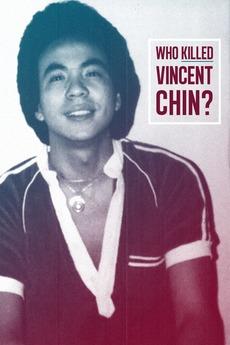
Movie Poster of Documentary <em>Who Killed Vincent Chin?</em>, directed by Christine Choy & Renee Tajima-Pena. PBS
Movie Poster of Documentary <em>Who Killed Vincent Chin?</em>, directed by Christine Choy & Renee Tajima-Pena.
Five years after the death of Vincent Chin, a documentary following the case and the legal proceedings afterwards was made by Christine Choy & Renee Tajima-Pena. This Academy Award-nominated film is considered by some as one of the most important pieces of Asian American media. This documentary helped further bring this case to spotlight and further mobilize social movements.
United States
Sources
  1. Frank H. Wu. “Embracing Mistaken Identity: How The Vincent Chin Case Unified Asian Americans”. Asian American Policy Review. Edition 19. 2010. Pages 17-22. Date accessed: September 12, 2015.
  2. Frances Kai-Hwa Wang. “From A Whisper To A Rallying Cry: Commemorating The Vincent Chin Case”. Asian American Policy Review. Edition 19. 2010. Pages 23-26. Date accessed: September 12, 2015.
  3. Helen Zia. Asian American Dreams: The Emergence of an American People. Seattle: University of Washington Press, 2000.
  4. Why Vincent Chin Matters. New York Times. June 22, 2012. Date accessed: September 12, 2015.
Additional Resources
  1. Who Killed Vincent Chin. Date accessed: June 17, 2015.
  2. Vincent Who? (trailer). 17/07/2010.
Learn how these timelines were made
UNITED STATES
/
GERMANY
All Events
Stories: 0
Search icon
Instagram WRInstagram From HereFacebook
Copyright 2026 With Wings and Roots. All rights reserved.
Terms and Conditions