
Media
Education
Events & News
Our Work
About


The Naturalization Act of 1790 set the first rules for U.S. citizenship, reserving it for "free white persons" of "good moral character" and excluding non-white persons.
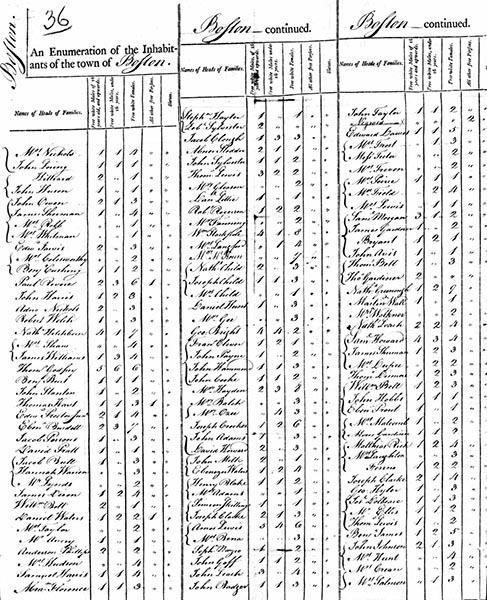 Archival document of the 1790 Census for Boston, Suffolk County, Massachusetts