An estimated 500,000 Sinti and Roma fell victim to the atrocities of the National Socialists across Europe, with the actual number of unreported cases significantly higher.
In the Federal Republic of Germany (FRG), the genocide, known as the Porajmos, was denied, and racist stereotypes, discrimination, and criminalization persisted. In the 1970s, the civil rights movement of the Sinti and Roma emerged. Through protests, hunger strikes, occupations, and the establishment of the "Central Council of German Sinti and Roma," they succeeded in gaining recognition of the genocide and securing compensation for survivors in 1982.
In contrast, the German Democratic Republic (GDR) recognized Sinti as victims of the Nazi regime from the outset, providing financial support and social acknowledgment. However, discrimination persisted, as compensation was tied to employment, a requirement not imposed on any other victim group. Furthermore, there were instances of police-led criminalization and racist profiling, with Sinti often confronting prejudices in their daily lives.




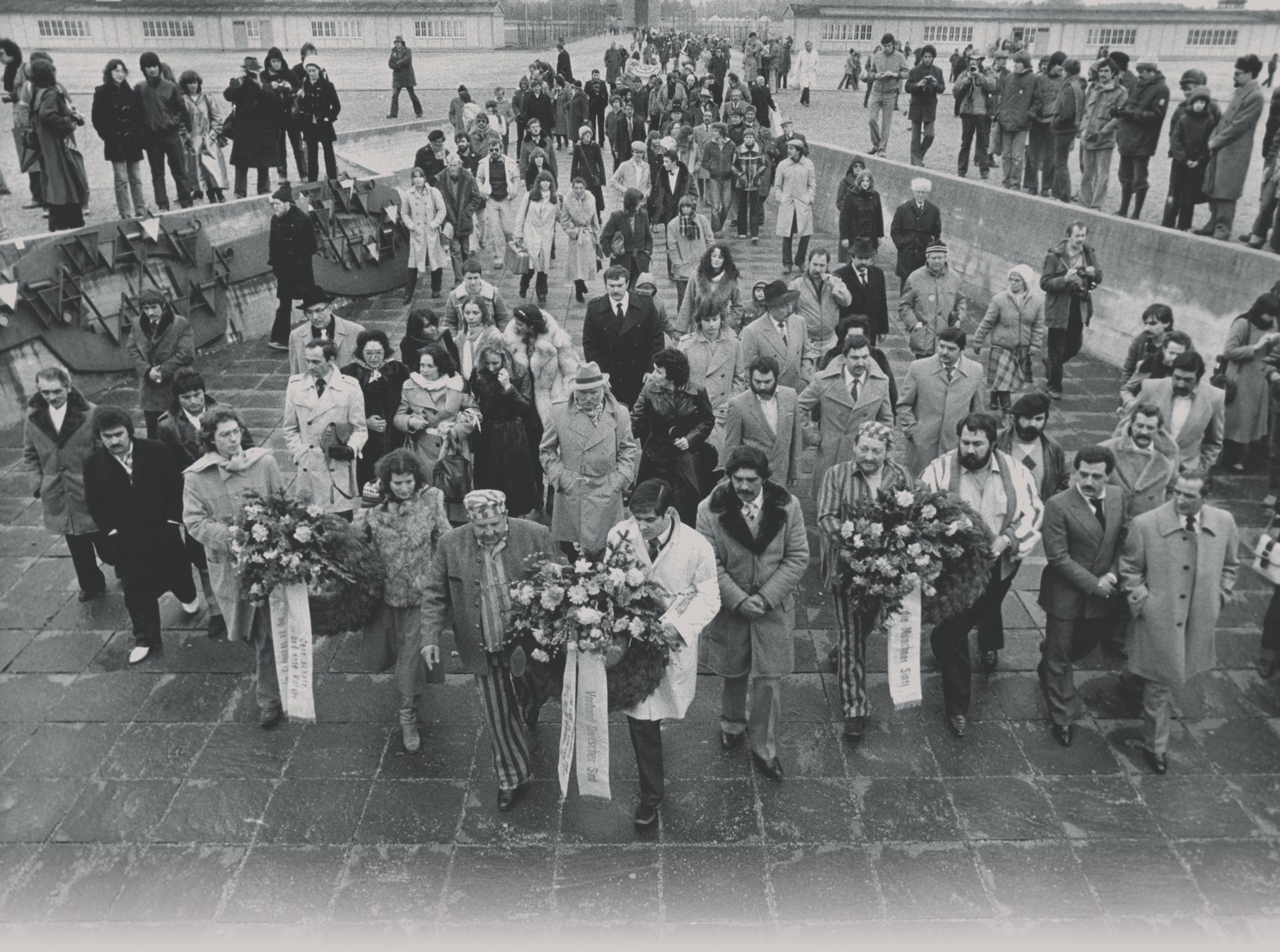 ©Documentation and Cultural Centre of German Sinti and Roma